Wolverines Football Bow: A Designer’s Embroidery Review
When evaluating a new machine embroidery design for my shop, I look beyond the digital preview to imagine how it will actually perform under the needle. The Wolverines Football Bow immediately caught my eye as a potential staple for feminine fan gear, but as an experienced designer and product reviewer, I know that screen appeal does not always translate to stitch quality. After analyzing the file structure and visualizing its application on real-world projects, here is my practical assessment of this graphic for fellow makers, Etsy sellers, and apparel decorators.
First Impressions and Visual Personality
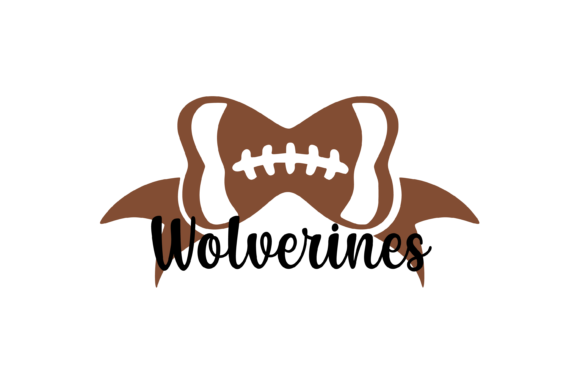
The Wolverines Football Bow strikes a specific balance between sporty enthusiasm and boutique femininity. In the realm of Crafts and Graphics, school spirit designs often lean heavily into blocky, masculine aesthetics. This design disrupts that norm by integrating the iconic winged helmet motif into a soft, curved bow silhouette. The mood is playful yet polished, making it feel appropriate for a wider demographic than standard athletic wear.
From a layout perspective, the shape is compact and centered, which is excellent for placement versatility. However, the intersection where the football elements meet the bow loops requires scrutiny. In digital art, these overlaps are seamless; in embroidery, they represent potential density issues. As I reviewed the vector points, I noted that the design relies on clean lines rather than excessive shading, which is a positive indicator for stitching clarity on various fabrics. It feels like a design intended for actual production, not just a pretty picture.
Real-World Application: The Custom Sweatshirt Test
To truly judge this embroidery file, I mentally placed it on a current best-seller in my shop: a heather grey crewneck sweatshirt. This is a high-stakes test because fleece textures can swallow fine details. For this project, I envision the Wolverines Football Bow positioned on the left chest or centered above the cuff. The design’s proportions suggest it would work beautifully as a sweatshirt embroidery accent without overwhelming the garment.
I also considered its viability as a tote bag design. Canvas totes are unforgiving with poor digitizing. If the satin stitches defining the bow’s edges are too narrow, they will sink into the canvas weave. Fortunately, the bold nature of this graphic suggests adequate column width. For an Etsy seller targeting college moms or alumni, this design bridges the gap between game-day functionality and everyday style. It transforms a generic accessory into a personalized gift that feels custom-curated rather than mass-produced.
Navigating Fabric Challenges and Hoop Limitations
While the Wolverines Football Bow is versatile, it demands respect for fabric physics. Not every material will yield the same professional finish. Here is where you need to exercise caution during your embroidery project:
- Stretchy Knits and Ribbing: If applying this to a baby onesie or stretchy t-shirt, the curved lines of the bow can distort if the stabilizer is insufficient. The tension of the satin stitch against knit fabric can cause tunneling. Always use a cut-away stabilizer and consider a light topping to prevent stitches from sinking.
- Textured Fabrics: On terry cloth towels or thick fleece, the finer details of the football laces or bow creases may get lost. You may need to increase the stitch density slightly or add an underlay foundation to create a smooth platform for the top stitches.
- Small Hoop Sizes: While the design is compact, resizing it down for a 4x4 hoop or a cap frame requires verification. Reducing a complex shape can cause overlapping stitches to merge into a solid blob. Always check the minimum recommended size before committing to a custom apparel run.
- Dark vs. Light Fabrics: High-contrast thread colors are essential. On navy fabric, ensure the outline provides enough definition so the bow doesn't disappear. Conversely, on white fabric, verify that the fill stitches are dense enough to prevent the base fabric from showing through.
Commercial Viability and Brand Consistency
For those running a craft business or selling design assets, consistency is currency. The Wolverines Football Bow offers strong brand recognition, but only if executed flawlessly. A sloppy stitch-out damages customer trust faster than any other factor. When used correctly, however, this design elevates the perceived value of a handmade product. It signals that the maker understands their audience's desire for spirited yet stylish merchandise.
If you are creating printable mockups for digital listings, ensure your previews accurately represent the texture of embroidery. Customers need to see how the sheen of the thread interacts with the matte fabric. This transparency reduces returns and increases buyer engagement. Furthermore, because this falls under the category of school-related graphics, you must be diligent about licensing. Before listing any finished product or selling the digital embroidery file itself, confirm that your usage rights cover commercial sales. Intellectual property compliance is non-negotiable for sustainable business growth.
Essential Designer Notes for Success
Before you load this file into your machine for a client order or inventory batch, follow this practical checklist to ensure the Wolverines Football Bow performs as expected:
- Test Stitch First: Never skip the sample run. Use a scrap of the exact fabric you intend to sell. Check for registration errors where the bow meets the football element.
- Evaluate Thread Contrast: View your test stitch in natural light. Sometimes colors that look distinct on a monitor blend together in thread form. Adjust thread colors to maintain visual separation.
- Check Stabilizer Pairing: Match your backing to the fabric weight. A tear-away might suffice for denim, but a no-show mesh is superior for lightweight knits to prevent shadowing.
- Inspect Small Details: Look closely at the corners and curves. If the running stitch outlines are jagged or the satin columns are uneven, adjust your tension or hooping technique.
- Verify File Compatibility: Although SVG, DXF, EPS, PNG, PDF, and AI files are provided, ensure you have converted them to a proper embroidery format (like PES, DST, or JEF) compatible with your specific machine. Vector graphics are source files, not always ready-to-stitch files.
- Assess Washability: If making items for frequent washing like baby embroidery or kitchen linens, ensure the stitch type can withstand agitation. Satin stitches should be secured properly to prevent fraying over time.
Final Thoughts on Production Value
The Wolverines Football Bow is more than just a seasonal graphic; it is a functional design asset with significant commercial potential when handled with technical care. Its strength lies in its ability to soften traditional sports branding, making it ideal for holiday embroidery gifts, boutique collections, and personalized fan gear. By respecting the technical requirements of stitch density, stabilization, and fabric choice, you can transform this digital concept into a tangible, high-quality product that resonates with customers. Whether you are an established apparel decorator or a hobbyist exploring commercial embroidery, approaching this design with a critical, maker-first mindset will ensure your final output honors both the team spirit and the craft of embroidery itself.