Football Hearts: A Designer’s Embroidery Review
When evaluating digital assets for a craft business, the transition from screen to stitch is where the real test begins. As a designer who regularly reviews graphics for production, I approached Football Hearts with a critical eye toward its utility in actual embroidery projects. While the product description highlights this as a digital cut file made specially for cutting machines—including SVG, DXF, PNG, and EPS formats—my focus here is assessing how these vector lines translate into a viable machine embroidery design. For Etsy sellers and apparel decorators, understanding this crossover potential is essential for maximizing the value of your design assets.
First Impressions: Visual Mood and Layout
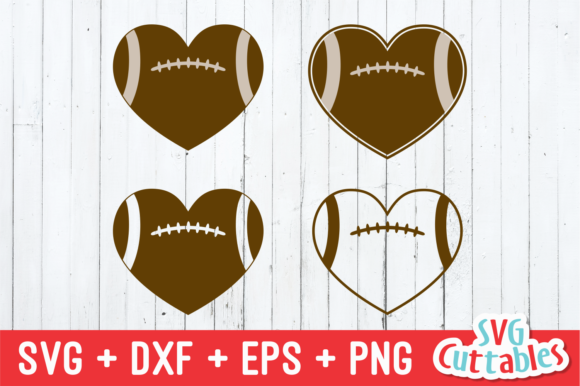
Upon opening the files, the immediate impression of Football Hearts is one of playful versatility. The inclusion of four distinct versions suggests a thoughtful approach to variety, which is crucial for small shop products that need to appeal to different niches within the sports community. The heart shape provides a natural, contained boundary that is inherently friendly, softening the typically aggressive aesthetic of football graphics. This makes it an excellent candidate for baby embroidery, mom-centric custom apparel, or boutique merchandise where traditional team logos might feel too corporate or masculine.
From a digitizing perspective, clean vector lines are non-negotiable. These graphics appear optimized for conversion. Whether you intend to use them as an applique design outline or convert them entirely into fill stitch patterns, the geometry seems balanced. For a handmade product, this visual balance translates directly to perceived value. A lopsided or overly complex graphic can look amateurish once stitched, but the symmetry in Football Hearts suggests it will maintain structural integrity on fabric.
Real-World Application: The Custom Sweatshirt Test
To truly judge this asset, I mentally placed it in a specific production scenario: creating a line of game-day sweatshirt embroidery for a fall collection. In this context, Football Hearts serves as more than just a decoration; it acts as a branding anchor. When preparing a personalized gift or retail item, the design needs to hold its own against the texture of fleece or French terry.
In this scenario, I would utilize the PNG or EPS version to create a custom digitized file. The heart shape offers ample space for monogramming or adding a jersey number, making it highly functional for commercial embroidery orders requiring personalization. Unlike intricate crests that lose detail when scaled down, this bold silhouette remains legible even at smaller sizes. For an Etsy seller, this means you can offer multiple size options—from a 3-inch pocket placement to a full-chest centerpiece—without redigitizing from scratch. The design’s inherent simplicity allows for high-contrast thread colors, ensuring visibility on dark navy or maroon sweatshirts common in football aesthetics.
Navigating Fabric Challenges and Hoop Limitations
However, no embroidery project is without its technical constraints. While Football Hearts is versatile, designers must be mindful of where it performs best. If you are adapting these cut files for stitching, pay close attention to stitch density and fabric texture.
- Stretchy Fabrics: On performance wear or thin knits, a solid fill version of this heart could cause puckering. I recommend using it as an applique design or a running stitch outline on these materials to reduce needle penetrations and maintain fabric drape.
- Textured Surfaces: For items like canvas tote bags or tea towels, the design holds up beautifully. However, if stitching on high-pile fabrics like chenille or plush blankets, ensure the stitch density is increased or add a topping stabilizer so the design doesn't sink into the nap.
- Curved Surfaces: Using this on caps requires careful hooping. Because the heart is vertically oriented, it may distort on the curved front panel of a hat. Test the aspect ratio before committing to a bulk run of cap embroidery.
- Small Hoop Sizes: If reducing the design for baby onesies or sleeve cuffs, verify that internal details remain distinct. Thin lines in the original vector art may need to be thickened during digitizing to prevent thread breaks or visual loss at small scales.
Impact on Product Value and Customer Trust
The choice of graphic directly influences buyer engagement. In the crowded market of Crafts and handmade goods, professional presentation separates hobbyists from established brands. Football Hearts contributes to this professionalism through its cohesive theme. When customers see a well-executed finished product featuring this design, they associate the clean lines and appropriate scale with quality craftsmanship.
For those selling digital embroidery files derived from these vectors, consistency is key. Providing accurate previews is part of building trust. Use the included PNG files to create realistic printable mockups before you have physical samples. Show the design on varied backgrounds to demonstrate its adaptability. This transparency helps buyers understand exactly what they are purchasing, reducing returns and support inquiries. Furthermore, because the design evokes emotion without infringing on specific trademarked team logos, it is a safer choice for commercial embroidery businesses looking to avoid intellectual property issues while still capturing the spirit of the season.
Essential Notes for Designers and Makers
Before loading Football Hearts into your software or machine, adhere to these practical guidelines to ensure success:
- Verify Licensing: The product description specifies formats for cutting machines. Before selling finished embroidered items or reselling digitized versions, confirm that your license covers commercial embroidery use. Never assume cross-format rights.
- Test Stitch First: Always run a sew-out on scrap fabric similar to your final project. Check for registration errors, especially if combining the heart shape with text. Adjust stabilizer choices based on the test results.
- Check Contrast: View the design in black and white during the planning phase. If the values are too similar, the embroidery will look flat regardless of thread color. Ensure sufficient contrast between the design and the garment base.
- Confirm Specifications: Since exact stitch counts and hoop sizes are not provided with these vector files, you must determine these parameters during digitizing. Document these specs for your own records or customer listings to set accurate expectations.
- Evaluate Washability: If creating holiday embroidery or children's items that require frequent laundering, avoid excessive satin stitch borders which can snag. Opt for durable fill stitches or reinforced applique edges.
Final Thoughts for Creative Entrepreneurs
Football Hearts represents a strong foundation for seasonal inventory. Its strength lies in its adaptability across various mediums, from vinyl decals to embroidered patches. For the experienced maker, it offers a reliable silhouette that can be customized to fit specific brand identities. For the beginner, it provides a forgiving shape that teaches valuable lessons about scaling and stabilization.
Ultimately, the success of any graphics package in an embroidery workflow depends on the user's willingness to test and refine. Treat these files as a starting point rather than a final destination. By applying professional judgment regarding fabric texture, hoop size, and end-use functionality, you can transform these digital vectors into tangible, high-quality products that resonate with customers and elevate your portfolio. Whether you are crafting a single personalized gift or launching a full collection of custom apparel, thoughtful execution of Football Hearts will yield results that look intentional, polished, and professionally made.