Football Monogram Frame: A Designer’s Stitch Test
When I first opened the file for the Football Monogram Frame, my immediate thought was not about the digital vector lines, but about how those lines would translate into thread on a textured sweatshirt. As a designer who bridges the gap between digital graphics and physical embroidery, I evaluate every asset through the lens of production viability. This specific design catches the eye because it balances sporty aesthetics with the classic appeal of personalization, but its true value lies in how it performs when the needle hits the fabric.
In the world of Crafts and Graphics, it is easy to get lost in clean screen previews. However, for those of us running an Etsy seller shop or managing a craft business, the screen is merely a suggestion. The reality is stitch density, stabilizer choice, and customer satisfaction. My review of this Football Monogram Frame focuses entirely on its practical application for real-world projects, moving beyond basic compatibility with Cricut or Silhouette machines to discuss its integrity as a foundation for high-quality embroidered goods.
Translating Vector Lines to Satin and Fill Stitches
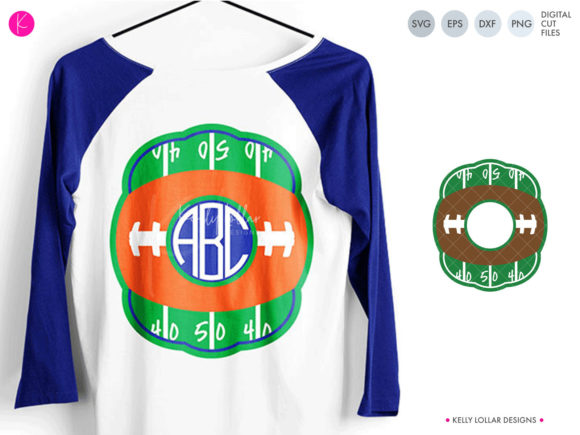
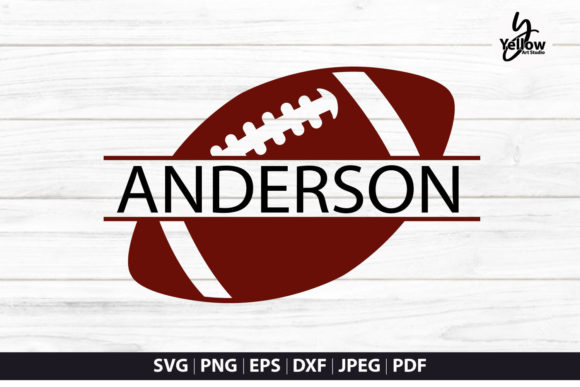
The Football Monogram Frame presents a distinct visual personality that feels energetic yet structured. Unlike generic sports clipart, this frame offers a dedicated negative space that invites customization. From a design perspective, the shape suggests a natural boundary for monograms, making it an ideal candidate for custom apparel and personalized gifts. When I visualize this design, I see it primarily as an applique design or a dense outline meant to anchor lettering.
For machine embroidery design work, the geometry of a football shape presents unique challenges and opportunities. The pointed ends require precise cornering. If you are converting this SVG into a stitch file, pay close attention to the tapering at the tips. A poorly digitized point can cause thread breaks or puckering. In my assessment, this frame works best when treated with a combination of techniques. I recommend using a satin stitch for the outer border to give it a polished, varsity-letterman jacket feel, while utilizing a lighter running stitch or tack-down stitch if you plan to use it as an applique base. This variation in texture adds depth that a flat fill stitch simply cannot achieve on a finished product.
Real-World Application: The Custom Sweatshirt Test
To truly judge this asset, I mentally placed it in a current production scenario: creating a batch of custom crewneck sweatshirts for a local high school booster club. This is a common request for any small shop product line or boutique branding project. The client wants something that looks professional enough for adults but spirited enough for game day.
In this context, the Football Monogram Frame serves as more than just decoration; it acts as a branding container. For a sweatshirt embroidery project on fleece, the fabric texture is the enemy of fine detail. Fleece tends to swallow thin lines. Therefore, this frame needs to be scaled appropriately. I found that this design holds up beautifully at a 4-inch width on heavy cotton blends, allowing the monogram inside to remain legible from a distance. It transforms a standard garment into a premium handmade product. Customers react positively to framed monograms because they perceive higher value and intentionality compared to floating text. This perception directly impacts buyer engagement and allows for better pricing tiers in your shop.
Navigating Fabric Variables and Hoop Limitations
While the design is versatile, it demands respect for material limitations. Not every fabric is suitable for this specific frame structure. Here is where practical experience dictates caution:
- Stretchy Performance Fabrics: If you are attempting this on moisture-wicking athletic wear, the rigid nature of a football frame can cause tunneling. You must use a cut-away stabilizer and potentially a topping to prevent the stitches from sinking into the knit.
- Curved Surfaces: Be wary of using this wide frame on caps. The horizontal span of a football shape often exceeds the safe stitching area of a standard cap hoop, leading to distortion at the edges. Reserve this for flat surfaces like tote bags, pillow covers, or chest placements.
- Dark vs. Light Fabrics: Visual contrast is critical. On dark fabrics, ensure your thread colors provide enough separation so the frame doesn't disappear. On white fabrics, avoid white thread unless you are relying solely on texture; otherwise, the design loses its impact.
- Small Hoop Sizes: If you are limited to a 4x4 hoop, verify the aspect ratio. Football frames are inherently wide. Scaling them down to fit a square hoop might distort the proportions, making the ball look round rather than oval. Always check dimensions before committing to a run.
Commercial Viability and Professional Presentation
For creative entrepreneurs and digital product sellers, the utility of this file extends beyond the needle. Because it is provided as an SVG vector cutting file compatible with major platforms like Brother Scan N Cut and Sure Cuts a Lot, it offers dual-purpose functionality. You can use the same file to create vinyl decals for matching tumblers or heat transfer vinyl (HTV) versions for customers who prefer non-embroidered items. This consistency across mediums strengthens brand recognition.
Furthermore, this Football Monogram Frame is excellent for creating printable mockups. Before you stitch a single sample, place the vector over a blank sweatshirt template to test color combinations and layout. This saves time and materials. When listing commercial embroidery services or selling the digital embroidery file itself (if licensing permits), showcasing this versatility builds customer trust. It demonstrates that you understand design hierarchy and product cohesion.
Essential Pre-Production Checklist for Makers
Before adding this to your permanent library of design assets, run through this practical checklist to ensure success in your specific workflow:
- Verify Licensing: Confirm whether your purchase includes commercial rights for selling finished products or if it is strictly for personal use. This is non-negotiable for Etsy sellers.
- Test Stitch Density: Since this is a vector file intended for cutting, you may need to digitize it or convert it for embroidery. Always test the stitch density on scrap fabric first. Too dense, and the fabric bulletproofs; too sparse, and the frame looks cheap.
- Check Font Pairings: The frame has a specific mood. Test it with both block collegiate fonts and script fonts. Ensure the chosen typeface fits within the frame's safe zone without touching the borders.
- Wash Testing: If this is for baby embroidery or kitchen towels, wash your test swatch. Frames with intricate corners can sometimes lift after laundering if not properly secured with adequate underlay.
- Mockup Validation: Create a black and white version of your design preview. If the frame and monogram blend together in grayscale, your color contrast needs adjustment.
Final Thoughts on Design Integrity
The Football Monogram Frame is a robust asset for the serious maker. It avoids the trap of being overly cartoonish, leaning instead toward a timeless aesthetic that suits everything from nursery decor to adult fan gear. Its compatibility with cutting machines makes it a flexible starting point, but its true potential is unlocked when treated with embroidery-specific mindfulness.
Whether you are crafting a personalized gift for a coach, stocking your shop with holiday embroidery items, or designing team merchandise, this frame provides a solid structural foundation. Just remember that in our industry, the digital file is only the blueprint. Your expertise in stabilizer selection, thread tension, and fabric pairing is what turns this vector graphic into a cherished, tangible product. Approach this design with technical confidence, and it will serve as a reliable staple in your creative repertoire for seasons to come.